
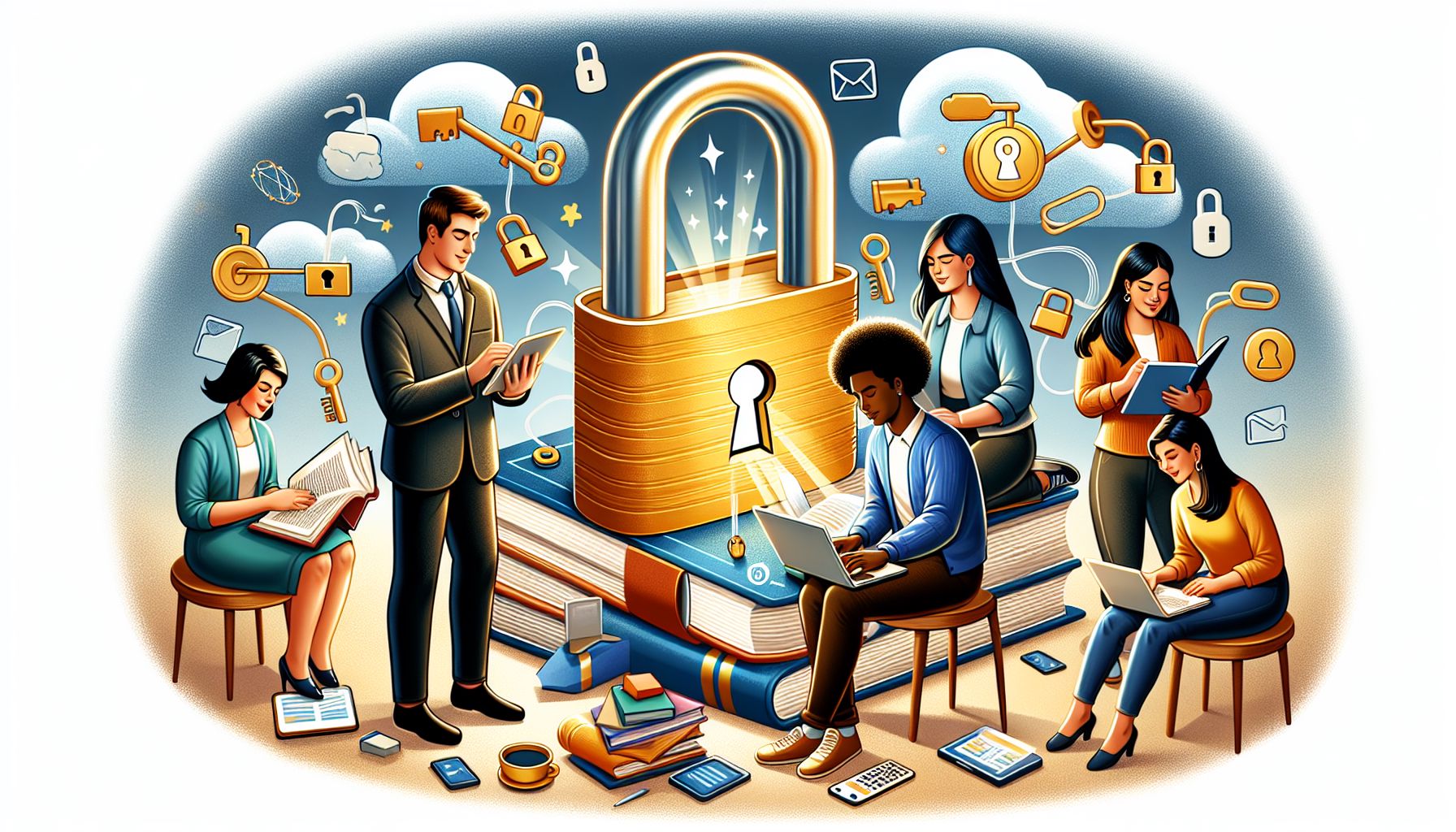
In today’s higher education landscape, the cost of textbooks and academic resources has become a significant burden for university students. As the pursuit of knowledge continues to evolve, so do the means by which we access educational materials. Thankfully, there is a solution that addresses both the financial and accessibility challenges faced by students – open educational resources (OER).
Understanding Open Educational Resources
Open educational resources refer to the vast collection of freely accessible learning materials available online. These resources include textbooks, lecture notes, videos, interactive modules, and much more. They are licensed under an open license, allowing users to legally use, modify, and share the content.
What makes OER a game-changer for university students is its aim to provide equitable access to quality educational resources, eliminating the barriers that traditional publishing models impose.
Cost-Effective Learning Tools
One of the most appealing aspects of open educational resources for university students is the potential cost savings. While printed textbooks can easily cost hundreds of dollars per semester, OER provides a cost-effective alternative that minimizes the financial burden on students.
With OER, students have access to free or affordable digital textbooks that can be downloaded and accessed on multiple devices. These resources, often created by educators or experts in the field, cover a wide range of subjects, ensuring that students can find the right resources for their courses without breaking the bank.
By utilizing open educational resources, students can allocate their limited financial resources towards other educational expenses or personal needs, creating a more balanced and affordable college experience.
Accessible Learning Tools
Accessibility is another crucial advantage of open educational resources for university students. Traditional textbooks sometimes suffer from limited availability, especially when it comes to international editions or out-of-print books. This can create hurdles for students who rely on the specific content of these resources.
On the other hand, open educational resources are accessible to anyone with an internet connection, regardless of geographic location. These resources can be accessed on various devices, making them portable and convenient for students who prefer to study on-the-go.
Furthermore, as OER is often created in digital formats, it can be easily customized to fit the diverse learning needs of university students. Educators and students can modify these resources to align with their specific curriculum requirements, ensuring a personalized and effective learning experience.
Expanding Learning Possibilities
Open educational resources not only offer cost savings and accessibility but also expand the horizons of learning for university students. Through collaborative open platforms, students can engage with fellow learners and educators from across the globe, contributing to an enriched educational experience.
OER platforms often foster a sense of community, allowing students to share insights, ask questions, and participate in discussions related to the resources they are using. This collective learning ecosystem goes beyond the confines of a traditional classroom, encouraging greater engagement and knowledge exchange.
Moreover, the vast variety of open educational resources available exposes students to different perspectives and teaching styles. This diversity enhances critical thinking skills and prepares students for the multifaceted world beyond academia.
Embracing the OER Movement
As open educational resources continue to gain traction, universities and educators are progressively embracing this cost-effective and accessible solution. Some institutions have even transitioned to adopting open textbooks and OER as the primary resources for their courses, helping to alleviate the financial strain on students.
For university students, exploring the world of open educational resources is a valuable step towards empowering themselves to take control of their own education. By leveraging OER, students can cultivate a love for lifelong learning, expand their educational possibilities, and thrive in their academic journey.
Conclusion
Open educational resources represent a groundbreaking opportunity for university students to access high-quality learning materials without excessive financial burdens. The cost-effective and accessible nature of OER facilitates educational success while fostering a global community of learners. By embracing open educational resources, universities and students alike can unlock a world of knowledge, propelling us towards a more inclusive and equitable education system for all.