
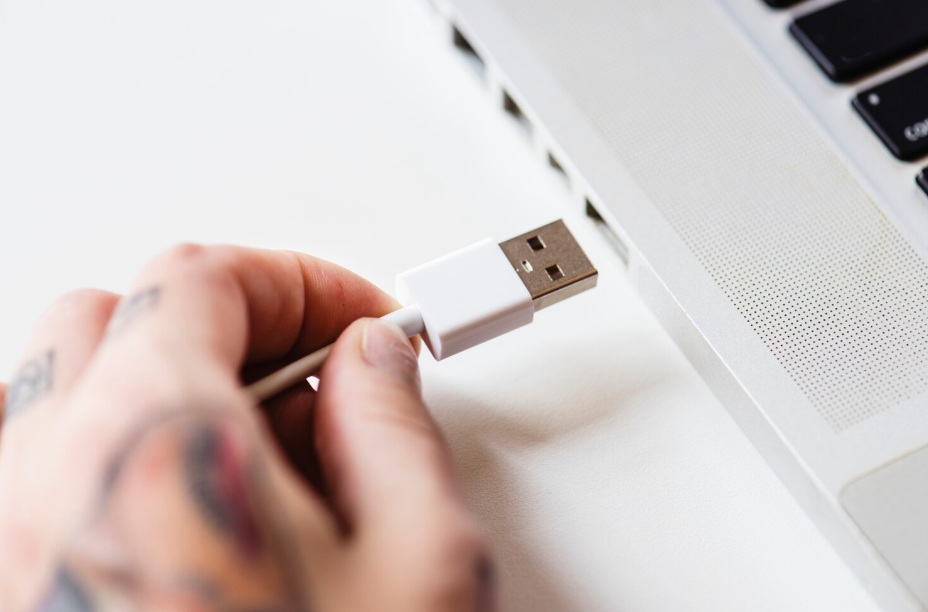
In the ever-evolving landscape of industrial technology, businesses are constantly seeking tools that enhance efficiency and precision. Enter the USB 3.0 Vision Camera, a tool that is literally reshaping how industries approach imaging tasks. With its promise of high-speed data transfer and superior image quality, many wonder if it can truly meet the rigorous demands of industrial applications.
The Power of USB 3.0 Technology
The backbone of any vision camera lies in its ability to process and transfer data quickly. The USB 3.0 interface is designed for such high-performance needs, offering speeds up to 5 Gbps—ten times faster than its predecessor, USB 2.0. This capability ensures real-time processing without bottlenecks, which is crucial in fast-paced environments like manufacturing or quality control.
- High bandwidth allows for the transmission of large image files at rapid speeds.
- Improved power delivery facilitates more reliable performance under demanding conditions.
- Backwards compatibility with older ports offers flexibility in various setups.
Applications Across Industries
A USB 3.0 Vision Camera is not just a one-trick pony; it finds utility in an array of sectors:
- Manufacturing: For defect detection and assembly line monitoring.
- Agriculture: In drones for crop analysis and soil monitoring.
- MediTech: Supporting complex imaging requirements during medical procedures.
No matter your industry, having a robust “camera for industry use” that leverages advanced technologies like USB 3.0 can be transformative.
The Role of Image Quality and Resolution
An essential aspect where these cameras shine is image quality—a critical factor for precise measurements or inspections in industrial settings. High-resolution sensors coupled with advanced optics ensure detailed visualization even at high speeds, making them ideal for capturing minute details necessary for thorough analysis or reporting processes.
- Crisper images result from enhanced pixel density and color accuracy.
- Sophisticated autofocus features allow consistent clarity across varying distances.
User-Friendly Integration
The adoption rate among industries largely depends on how seamlessly new technologies integrate into existing systems. Fortunately, the plug-and-play nature of these cameras means minimal disruption during setup—an attractive attribute when time equates money in production lines or research facilities alike!
- Simplified cabling through single-connection design reduces clutter while maintaining connectivity integrity throughout operations periods (literally).
.
Looking Forward: A New Era Of Possibilities
Despite challenges faced integrating novel tech solutions within traditional frameworks initially faced by adopters worldwide today’s market climate shows promising potential ahead indicating greater awareness accepting change inevitable part growth story yet untold…