
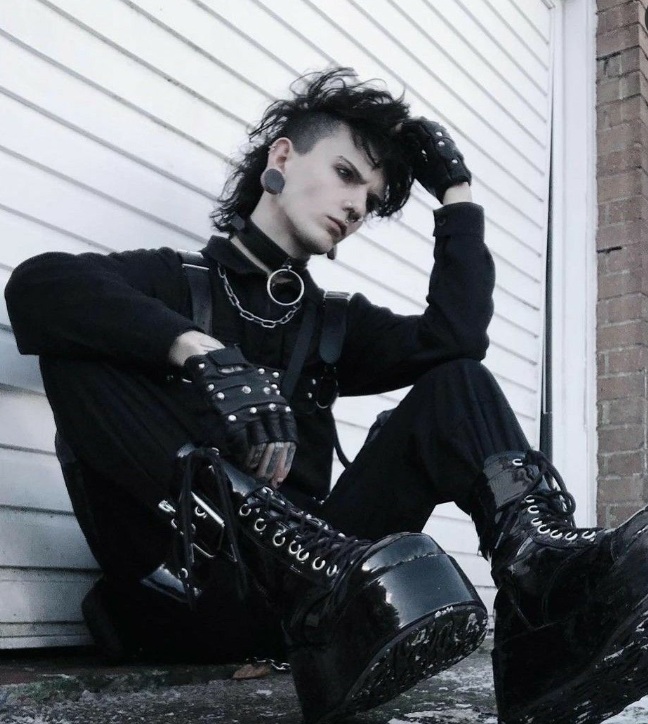
Rock music has long been more than just a sonic experience; it has served as a powerful platform for self-expression that extends into the world of fashion. Musicians have the ability to set trends with their unique styles and attitudes. Their influence often spills over from the stage into everyday wear, inspiring countless fans and fashion enthusiasts. As noted in various reviews, including Goth N Rock Reviews, the aesthetics adopted by rock musicians resonate deeply, impacting pop culture as a whole.
The Evolution of Rock Fashion
The relationship between rock music and fashion dates back to the inception of the genre itself. In the 1950s and 1960s, artists like Elvis Presley and The Beatles not only transformed music but also influenced the clothing styles of their followers. The denim jackets, leather pants, and psychedelic prints would soon become synonymous with rebellious youth culture.
As the decades progressed, the styles evolved. Punk rock in the 1970s introduced spikes, studs, and anarchy symbolism, all reflecting a defiance against the mainstream. Bands like The Ramones and Sex Pistols didn’t just create a sound; they created a movement—one that informed how people dressed. This evolution shows how rock fashion serves as both an art form and a statement.
Iconic Rock Musicians and Their Fashion Statements
Certain rock musicians have undoubtedly etched their names in fashion history. These artists are not only known for their music but also for the unique styles they brought to the forefront.
- David Bowie: With his alter ego Ziggy Stardust, Bowie challenged gender norms and embraced flamboyant clothing and makeup, inspiring generations of artists and fans.
- Kurt Cobain: The frontman of Nirvana became the poster child for grunge fashion, favoring thrift shop finds, oversized sweaters, and faded jeans, making casual more stylish.
- Madonna: While not traditionally classified under rock, she has influenced rock fashion extensively, combining punk, goth, and pop in a way that transformed women’s fashion.
These musicians encapsulated the essence of rock: individuality, rebellion, and a challenge to societal norms. As they expressed themselves through their attire, they inspired countless individuals to do the same.
The Role of Fans in Rock Fashion
The influence of rock fashion is not a one-way street; fans play a crucial role in perpetuating these trends. When a musician adopts a specific style, fans often emulate it, making it a part of their everyday wear. This phenomenon can be observed in various subcultures:
- Goth: Rooted deeply in the goth rock scene of the late 1970s and 1980s, this style features dark clothing, dramatic makeup, and a penchant for vintage aesthetics.
- Punk: Eternalized by bands like The Clash and Green Day, punk fashion remains influential, with leather jackets, ripped jeans, and unkempt hairstyles.
- Metal: Heavy metal fans often sport band tees, denim vests, and combat boots, showcasing loyalty to their favorite bands while embracing the hardcore aesthetic.
These fan-driven trends affirm the connection between artist and audience, creating a community built on shared aesthetics and values.
Fashion Collaborations and Forward Thinking
Today, the relationship between rock musicians and fashion designers is more collaborative than ever. Many musicians partner with fashion brands or launch their own lines, blurring the lines between art and commerce. Collaborations such as Hedi Slimane’s work with musicians like Paul McCartney have sparked conversations about the future of fashion in rock culture.
Moreover, the ongoing trend of sustainability in fashion has also found its way into the rock scene, with musicians advocating for eco-friendly practices and using their platform to encourage fans to make conscious choices.
The Lasting Impact of Rock Fashion
From vibrant concert stages to the streets, the influence of rock musicians on fashion is undeniable. Their ability to inspire and shape styles is a testament to rock music’s cultural significance. Artists continue to drive trends while simultaneously allowing fans to express their individuality through the lens of rock-inspired attire.
In a world where fashion often mirrors music, the legacy of rock musicians will continue to shape our wardrobes, reminding us that clothing is not merely a necessity; it’s a canvas for our identities.