
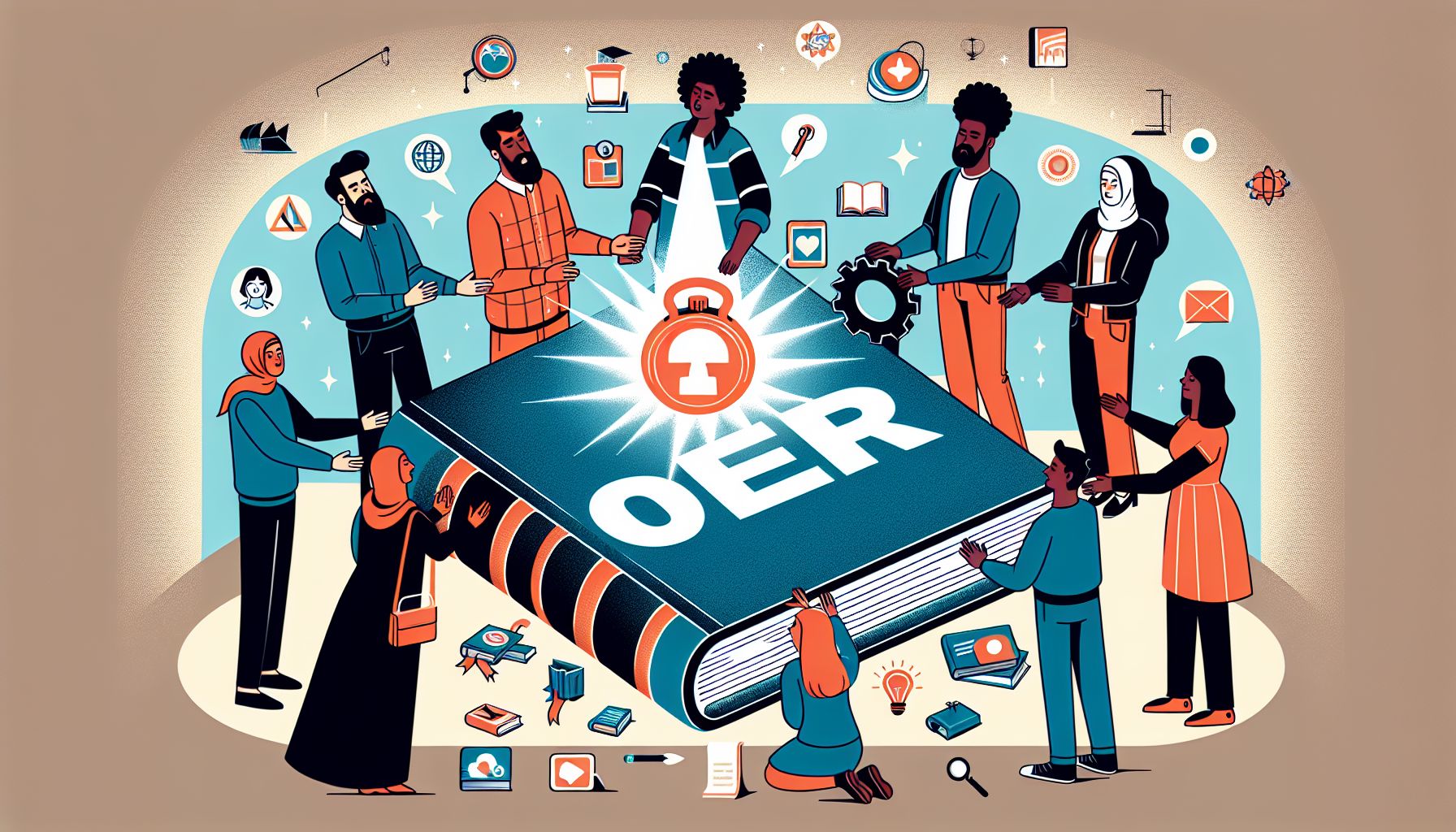
As university students, we are constantly striving to excel in our academic pursuits while balancing the demands of our studies, extracurricular activities, and personal lives. With the rising costs of education, it can be challenging to access high-quality learning materials without breaking the bank. However, there is a solution that offers cost-effective and accessible resources to help us succeed: Open Educational Resources (OER).
What are Open Educational Resources?
OER are digital materials such as textbooks, multimedia content, quizzes, and simulations that are freely available for use, adaptation, and sharing. These resources are typically released under an open license, such as Creative Commons, which allows for flexibility in how they can be used. The beauty of OER is that they are free to access and can be easily downloaded and shared with others, making them a valuable resource for university students looking to save money and expand their knowledge.
Benefits of Using Open Educational Resources
There are numerous benefits to utilizing OER as university students. First and foremost, OER can help alleviate the financial burden of purchasing expensive textbooks and course materials. By using free resources, students can save money and allocate their funds towards other essential expenses. Additionally, OER promote accessibility and inclusivity by providing equal access to educational materials for all students, regardless of their financial situation.
Moreover, OER foster collaboration and innovation in the academic community. With the ability to modify and customize OER to suit specific learning needs, students and educators can create personalized learning experiences that enhance the learning process. OER also encourage the sharing of knowledge and best practices, facilitating a culture of openness and continuous improvement in education.
Where to Find Open Educational Resources
There are a plethora of websites and platforms that offer a vast array of OER tailored for university students. Some popular OER repositories include:
-
OpenStax: OpenStax provides free, peer-reviewed, openly licensed textbooks for various subjects, ranging from biology and chemistry to economics and psychology.
-
MIT OpenCourseWare: MIT offers a collection of course materials from a wide range of courses, allowing students to access lecture notes, assignments, and exams for free.
-
Khan Academy: Khan Academy offers a comprehensive library of educational videos, exercises, and assessments in subjects such as math, science, and humanities.
-
MERLOT: MERLOT is a curated collection of free and open online teaching, learning, and faculty development services contributed and used by an international education community.
By exploring these resources and others like them, university students can access high-quality academic materials that will help them succeed in their studies.
Incorporating Open Educational Resources into Your Learning
To make the most of OER as university students, it is important to develop effective strategies for incorporating these resources into your learning routine. Here are some tips to help you maximize the benefits of OER:
-
Start early: Begin exploring OER resources at the beginning of the semester to familiarize yourself with the available materials and identify those that align with your course requirements.
-
Collaborate with peers: Work with your classmates to share and discuss OER resources that you find valuable. Collaborating with others can help you discover new materials and perspectives that you may not have encountered on your own.
-
Customize your learning experience: Take advantage of the flexibility of OER to tailor your learning materials to suit your individual learning style and preferences. Whether it’s creating study guides, flashcards, or interactive quizzes, OER can be customized to enhance your learning experience.
By following these tips and actively engaging with OER, university students can enhance their academic performance and access a wealth of valuable learning resources at no cost.
Conclusion
Open Educational Resources present a valuable opportunity for university students to access high-quality academic materials in a cost-effective and accessible manner. By leveraging OER, students can save money, promote inclusivity, and foster collaboration in their academic pursuits. With a wealth of resources available online, it has never been easier for university students to enhance their learning experience and achieve academic success. So why wait? Start exploring the world of OER today and unlock the power of open education for your future.