
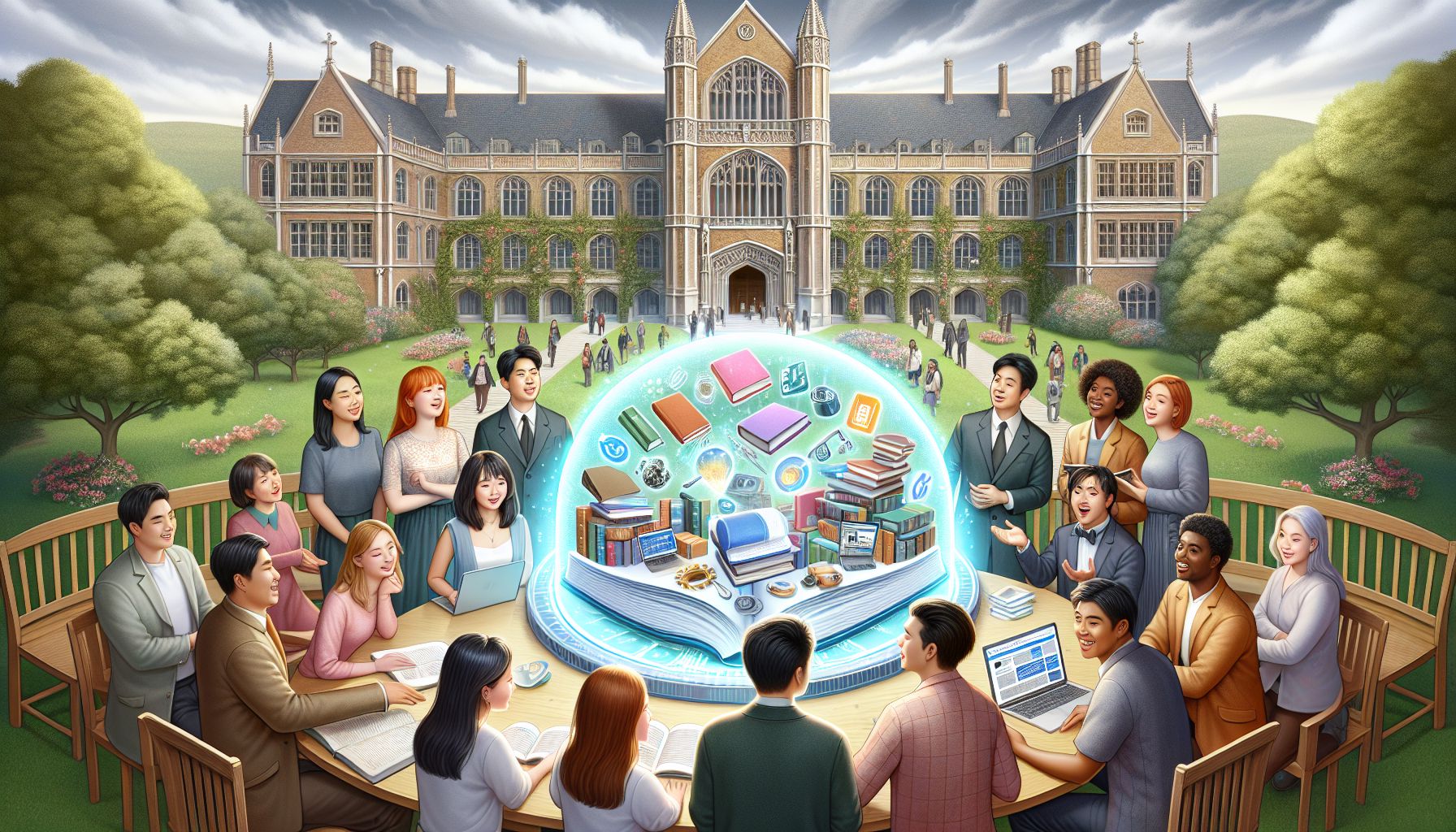
As university students, the pursuit of knowledge and academic excellence is at the forefront of our priorities. However, the cost of textbooks and other learning materials can often be a barrier to accessing the resources we need to succeed in our studies. This is where Open Educational Resources (OER) come into play, offering cost-effective and easily accessible digital materials that cater to the needs of students looking for quality learning tools without breaking the bank.
What are Open Educational Resources?
Open Educational Resources (OER) are educational materials that are freely available for use, adaptation, and sharing. These resources can include textbooks, videos, quizzes, simulations, and other learning tools that are openly licensed for anyone to use. OER provide a cost-effective alternative to traditional learning materials, making them an invaluable resource for university students seeking affordable and accessible academic resources.
The Benefits of Open Educational Resources for University Students
There are numerous benefits to using OER as a university student. One of the key advantages is the cost savings associated with OER. By utilizing freely available resources, students can significantly reduce the financial burden of purchasing expensive textbooks and course materials. This not only helps students save money but also ensures that all students have access to the same quality learning materials, regardless of their financial situation.
Additionally, OER promote collaboration and knowledge sharing within the academic community. Since these resources are openly licensed, students and educators can modify and customize the materials to suit their specific needs. This fosters a culture of creativity and innovation, allowing for the development of new and improved learning resources that benefit all users.
Moreover, OER promote inclusivity and accessibility in education. By providing free and openly licensed materials, OER support the idea that education should be available to all, regardless of geographical location or socio-economic status. This democratization of education ensures that all university students have equal opportunities to succeed in their academic endeavors.
Finding Open Educational Resources
So, where can university students find Open Educational Resources? There are a variety of websites and platforms that offer a wide range of OER for different subjects and disciplines. Some popular sources of OER include:
- OpenStax: An initiative of Rice University, OpenStax provides free, peer-reviewed, openly licensed textbooks for a variety of college courses.
- Khan Academy: A non-profit organization that offers free online courses, lessons, and practice exercises in a wide range of subjects.
- MERLOT: A curated collection of free and open online teaching, learning, and faculty development services contributed and used by an international education community.
These are just a few examples of the many platforms that offer Open Educational Resources for university students. By exploring these resources and utilizing them in your studies, you can access valuable academic materials that enhance your learning experience without breaking the bank.
In Conclusion
Open Educational Resources offer university students a wealth of valuable academic resources and digital materials that can enhance their learning experience. By leveraging freely available materials, students can save money, promote collaboration, and ensure inclusivity in education. Whether you are looking for textbooks, videos, quizzes, or other learning tools, OER provide a cost-effective and accessible solution for all your academic needs. So why not take advantage of these resources and elevate your learning experience today? After all, knowledge is power, and OER are here to empower you on your academic journey.