
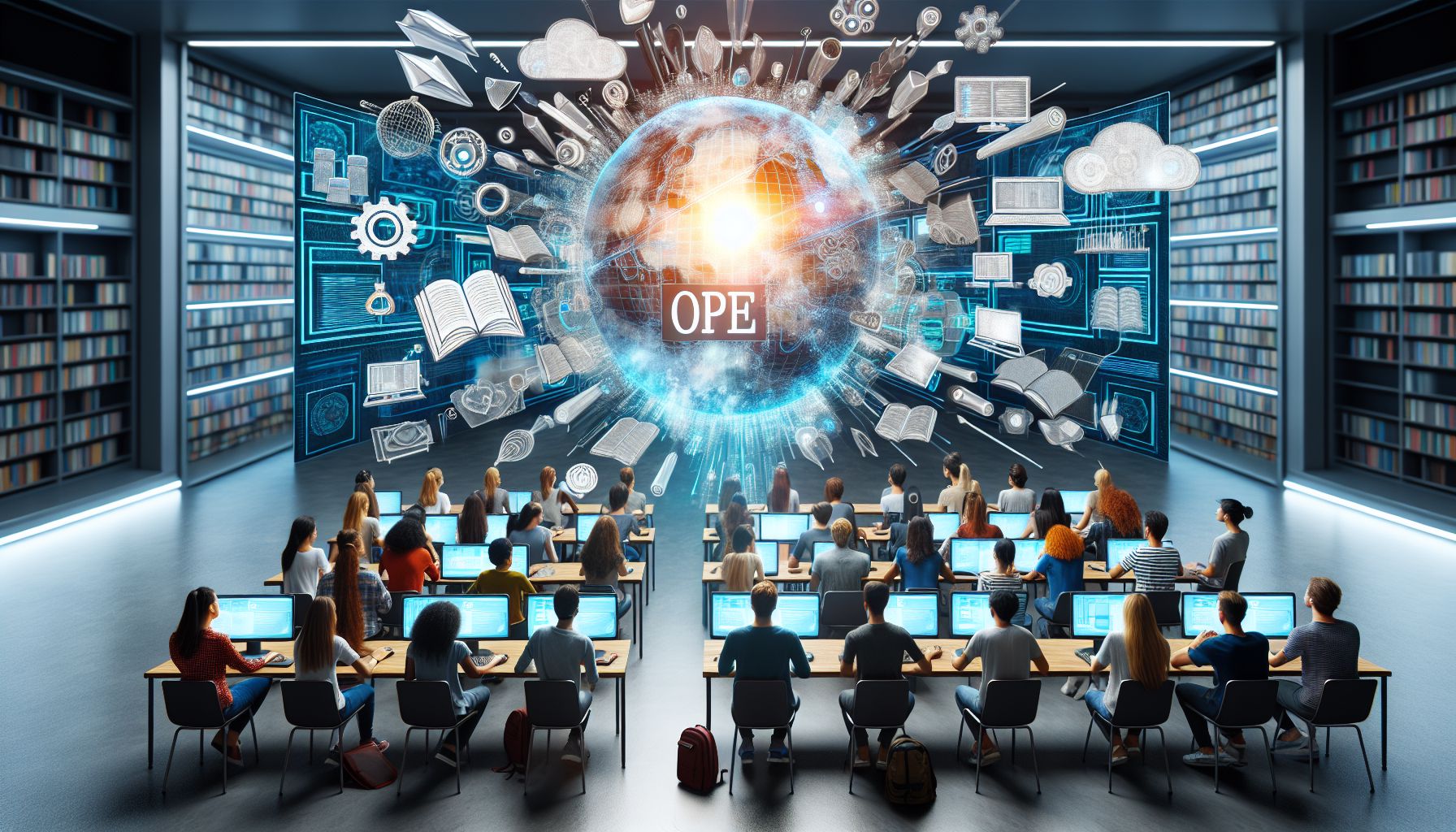
In today’s digital age, the cost of higher education continues to rise, making it increasingly challenging for university students to afford the resources needed to succeed academically. Thankfully, there is a solution that can alleviate some of the financial burden while providing valuable learning tools – open educational resources (OER).
What Are Open Educational Resources?
Open educational resources are educational materials that are freely available for anyone to use, modify, and share. These resources can include textbooks, videos, lectures, quizzes, and more, all of which are accessible online. OER are designed to help students learn effectively without the high costs associated with traditional academic resources.
University students can greatly benefit from utilizing OER as they provide a wide range of academic materials that can support their learning in various subjects. Whether you are a freshman struggling to afford expensive textbooks or a graduate student looking for supplemental resources, OER can meet your needs.
Benefits of Using Open Educational Resources
There are several advantages to using open educational resources as a university student. Here are some key benefits:
-
Cost-Effectiveness: One of the primary benefits of OER is their affordability. Instead of spending hundreds of dollars on textbooks each semester, students can access OER for free or at a significantly lower cost. This can help reduce the financial strain on university students and make education more accessible.
-
Accessibility: OER are available online, making them easily accessible to students with an internet connection. This means that students can access the materials anytime, anywhere, allowing for more flexibility in their learning process.
-
Customization: OER can be tailored to suit the specific needs of students. Whether you prefer to study through videos, interactive quizzes, or traditional textbooks, there is likely an OER that fits your preferred learning style.
-
Collaboration: OER encourage collaboration and knowledge sharing among students and educators. By using open resources, students can engage with a wider academic community, share insights, and learn from one another.
Top Open Educational Resources for University Students
-
OpenStax: OpenStax offers free, peer-reviewed textbooks covering a wide range of subjects, including biology, psychology, economics, and more. These textbooks are well-structured and designed to support student learning effectively.
-
Khan Academy: Khan Academy provides a vast collection of instructional videos, practice exercises, and quizzes in subjects such as math, science, history, and economics. The platform is user-friendly and offers personalized learning pathways for students.
-
Coursera: Coursera offers online courses from universities and institutions around the world, covering diverse topics ranging from data science to psychology. While some Coursera courses require payment for certification, many resources are available for free.
-
MIT OpenCourseWare: Massachusetts Institute of Technology (MIT) OpenCourseWare provides free access to course materials from a wide range of MIT courses. Students can access lecture notes, assignments, exams, and more to supplement their learning.
How to Make the Most of Open Educational Resources
To maximize the benefits of open educational resources as a university student, consider the following tips:
-
Start Early: Begin exploring OER at the beginning of the semester to familiarize yourself with available resources and find materials that align with your coursework.
-
Engage with the Community: Join forums, discussion boards, or social media groups related to OER to connect with other students and educators who can provide insights and recommendations.
-
Take Advantage of Multimedia: Explore a variety of OER formats, such as videos, podcasts, and interactive simulations, to enhance your learning experience and cater to different learning styles.
-
Provide Feedback: If you find an OER particularly helpful or notice areas for improvement, consider providing feedback to the creators or platform administrators. Your input can help enhance the quality of OER for future users.
Conclusion
Open educational resources offer university students a cost-effective and accessible way to enrich their learning experience and academic journey. By utilizing OER, students can access a wealth of valuable resources, collaborate with peers, and customize their learning path to suit their individual needs. Whether you are looking for textbooks, videos, quizzes, or interactive simulations, there is likely an OER that meets your requirements. Embrace the power of open educational resources and unlock a world of knowledge at your fingertips.