
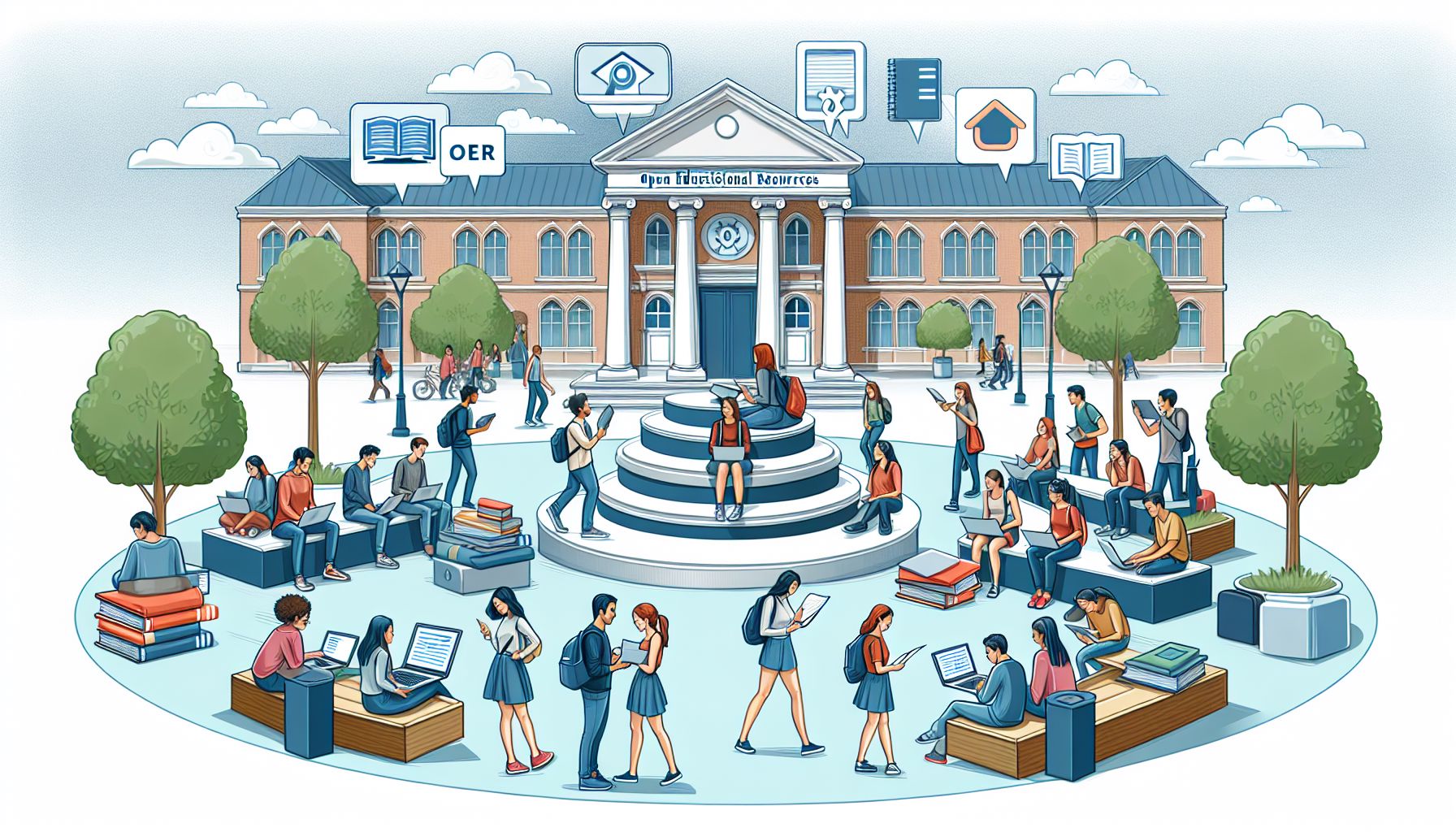
As a university student, you may find yourself constantly in search of academic resources to assist you in your studies. Whether it’s textbooks, journals, or online tools, accessing these resources can often come at a hefty price. However, there is a solution that can help alleviate the financial strain of purchasing expensive materials – open educational resources (OER).
OER are freely accessible, openly licensed educational materials that can be used for teaching, learning, research, and other purposes. These resources are created and shared by educators and experts from around the world, making them a valuable asset for university students seeking cost-effective and accessible learning tools. By utilizing OER, students can access a wealth of digital materials that can enhance their academic experience without breaking the bank.
One of the primary benefits of OER is their affordability. Traditional textbooks and academic materials can cost hundreds of dollars, putting a strain on students’ budgets. With OER, students can access high-quality resources for free or at a fraction of the cost of traditional materials. This not only helps students save money but also allows them to access a wide range of resources that may not be available through traditional means.
In addition to cost savings, OER also offer a level of accessibility that is unparalleled. With OER, students can access materials anytime, anywhere, making it easy to study on the go or collaborate with classmates online. This accessibility is particularly valuable for university students who may have busy schedules or limited access to physical resources.
Furthermore, OER provide students with a diverse range of materials to choose from. Whether you’re studying literature, science, mathematics, or any other subject, there are OER available to support your learning. These resources can include textbooks, lecture notes, quizzes, videos, and much more, providing students with a comprehensive set of tools to enhance their academic experience.
When using OER, it’s important to consider the licensing of the materials. OER are typically released under open licenses, such as Creative Commons licenses, which allow for the free use, adaptation, and distribution of the materials. This means that students can customize the resources to suit their needs, share them with classmates, and even contribute to the development of new materials.
To get started with OER, students can explore a variety of platforms and repositories that host these resources. Websites such as OpenStax, Merlot, and OER Commons offer a wide selection of materials in various subjects. Additionally, many universities and colleges have their own OER initiatives, providing students with access to resources tailored to their specific curriculum.
In conclusion, open educational resources are a valuable resource for university students seeking cost-effective and accessible learning tools. By utilizing OER, students can access a wealth of digital materials that can enhance their academic experience without breaking the bank. From textbooks to lecture notes to videos, OER offer a diverse range of materials to support students’ learning. So why wait? Unleash the power of OER and take your academic experience to the next level.