
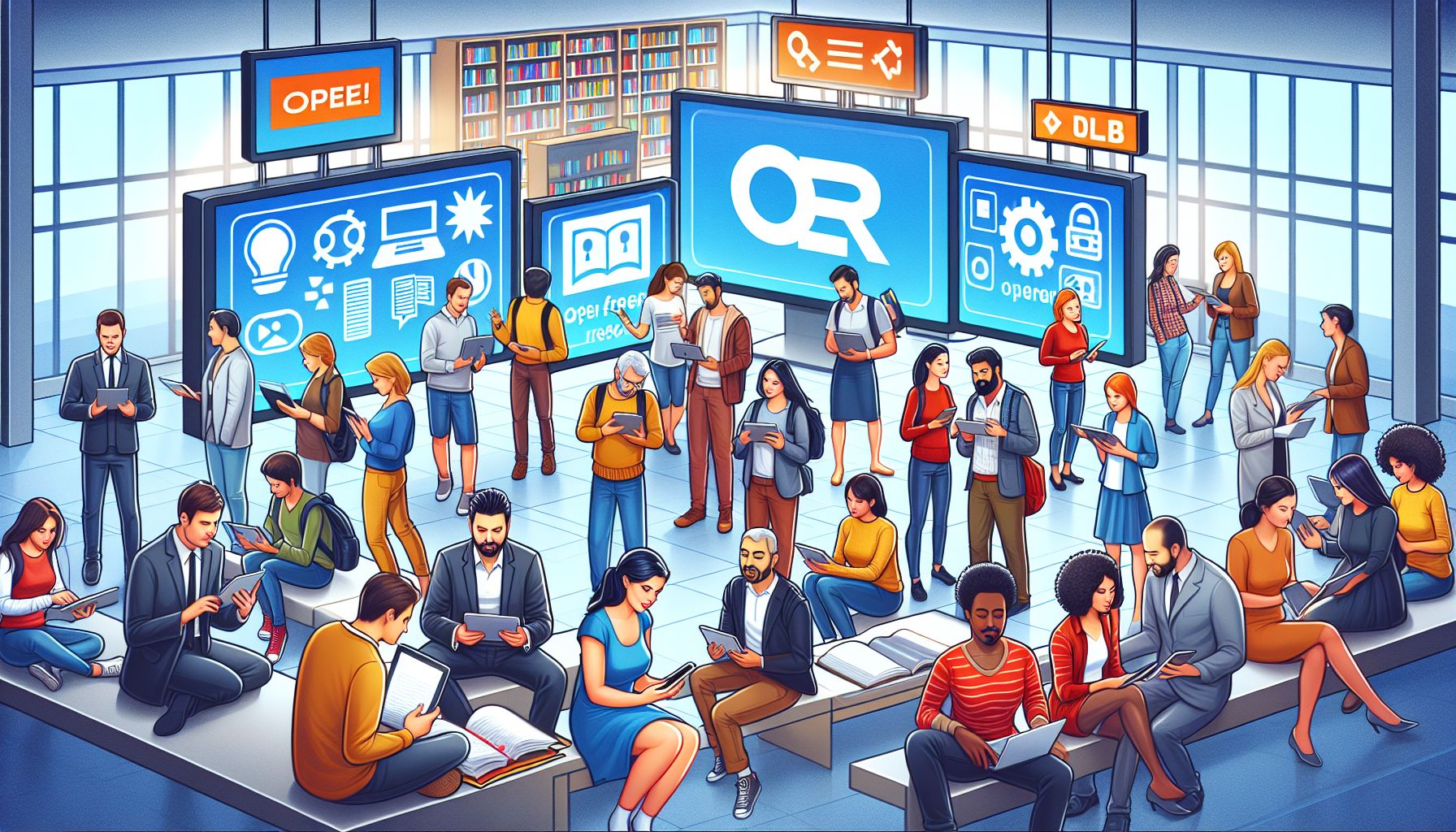
In today’s digital age, the cost of higher education continues to rise, making it increasingly challenging for university students to afford the necessary academic resources. However, there is a solution that can alleviate some of the financial burden: Open Educational Resources (OER). These resources are freely available educational materials that are openly licensed, allowing students to access high-quality learning tools without the hefty price tag.
What are Open Educational Resources?
Open Educational Resources encompass a wide range of digital materials such as textbooks, videos, quizzes, and interactive modules that are openly accessible to anyone. These resources are typically created and shared by educators, institutions, and organizations with the goal of making education more affordable and accessible for all students, regardless of their economic background. By utilizing OER, university students can save money on expensive textbooks and other required materials, while still benefiting from valuable academic resources.
Advantages of Using Open Educational Resources
One of the primary advantages of using OER is the cost savings it offers to university students. With the rising prices of textbooks and other academic materials, many students struggle to afford these essential resources. By utilizing OER, students can access a wide range of educational materials for free, eliminating the need to purchase expensive textbooks and other resources. This can significantly reduce the financial burden on students and make education more accessible to all.
Moreover, OER are often more up-to-date and relevant than traditional textbooks, as they can be easily updated and revised by educators and experts. This ensures that students have access to the most current information and resources, enhancing their learning experience and keeping them engaged with the material. Additionally, OER are often available in a variety of formats, making it easier for students to access and engage with the content in a way that best suits their learning style.
Where to Find Open Educational Resources
There are numerous websites and platforms that offer a wide range of open educational resources for university students. Websites such as OpenStax, Merlot, OER Commons, and Coursera provide access to free textbooks, course materials, videos, and other academic resources that can supplement traditional learning materials. These resources cover a wide range of subjects and topics, making it easy for students to find the resources they need for their courses.
In addition to external websites, many universities and colleges also offer their own OER repositories where students can access free educational materials specific to their institution. These repositories often contain materials created by faculty members and educators, tailored to the courses and curriculum offered at the university. By exploring these internal repositories, students can access high-quality educational resources that are directly aligned with their academic programs.
Tips for Using Open Educational Resources Effectively
While OER offer numerous benefits to university students, it is important to use these resources effectively to maximize their impact on learning. Here are some tips for using OER effectively:
- Consult with your professors: Before using OER as a substitute for traditional textbooks, it is important to consult with your professors to ensure that the resources are aligned with the course curriculum.
- Compare and evaluate resources: Not all OER are created equal, so it is important to compare different resources and evaluate their quality and relevance to your coursework.
- Engage with the material: Actively engage with the OER materials by taking notes, completing assignments, and participating in discussions to enhance your understanding of the content.
- Provide feedback: Most OER platforms allow users to provide feedback on the resources, so make sure to share your thoughts and suggestions to help improve the quality of the materials for future students.
Conclusion
Open Educational Resources offer a cost-effective and accessible way for university students to access high-quality academic resources and digital materials. By utilizing OER, students can save money on expensive textbooks and other materials, while still benefiting from valuable learning tools that can enhance their educational experience. With the wide range of OER available online and through university repositories, students have access to a wealth of educational resources that can supplement their traditional learning materials. By using OER effectively and engaging with the content, university students can make the most of these valuable academic resources and succeed in their academic pursuits.