
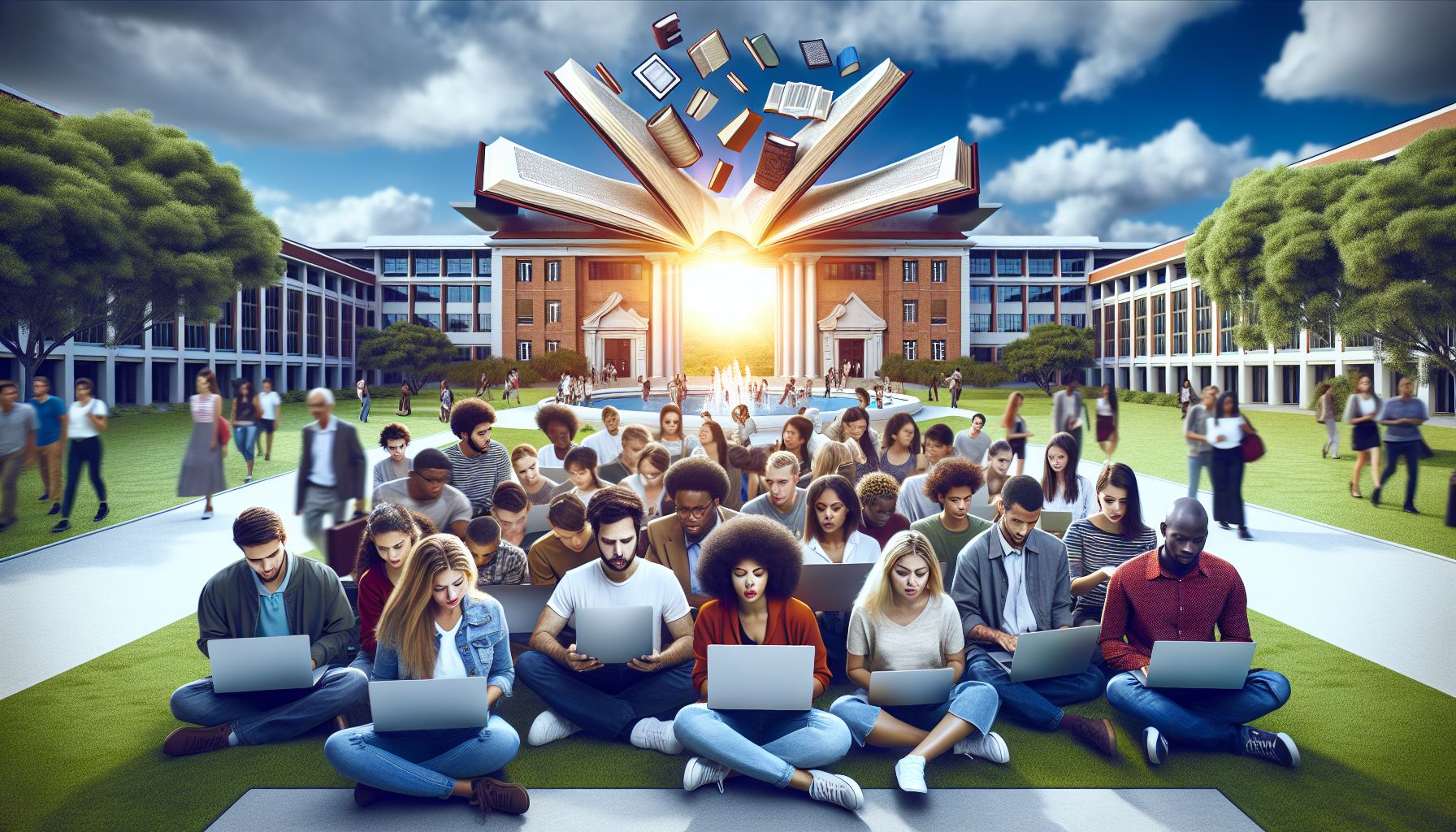
As a university student, the pursuit of knowledge is a fundamental aspect of your academic journey. However, the cost of textbooks and supplementary materials can often place a significant financial burden on students. This is where open educational resources (OER) come into play, offering a plethora of valuable academic resources and digital materials at no cost.
OER are educational materials that are freely available for students to access, use, and share. These resources can include textbooks, lecture notes, videos, interactive simulations, and more, all designed to enhance your learning experience without breaking the bank. By leveraging OER, university students can enjoy cost-effective and accessible learning tools that cater to their academic needs.
One of the key advantages of OER is the flexibility and adaptability they offer to students. Unlike traditional textbooks that are static in nature, OER can be easily updated and customized to suit the specific requirements of a course or module. This means that university students have the opportunity to access the most up-to-date and relevant information, enhancing their understanding of the subject matter.
Furthermore, OER promote collaboration and knowledge sharing among students. By leveraging these resources, students can engage in peer-to-peer learning, exchanging ideas and perspectives on various academic topics. This collaborative approach not only enriches the learning experience but also fosters a sense of community among university students.
Moreover, OER can help bridge the digital divide by ensuring that all students have equal access to high-quality educational resources. Whether you are a student studying on campus or learning remotely, OER can provide you with the tools you need to succeed in your academic pursuits. This inclusivity is particularly valuable for university students who may not have the financial means to purchase expensive textbooks or materials.
When using OER, it is important to exercise critical thinking and discernment. While these resources are freely available, not all OER may be of equal quality. It is essential for university students to evaluate the credibility and reliability of the materials they are using, ensuring that they are academically sound and align with the learning objectives of their courses.
To access a wide range of OER, university students can explore online repositories such as OpenStax, Khan Academy, and MERLOT. These platforms offer a wealth of educational resources across various disciplines, allowing students to find materials that are tailored to their specific academic needs. Additionally, many universities have their own OER initiatives, providing students with access to curated collections of digital materials that complement their coursework.
In conclusion, open educational resources play a pivotal role in empowering university students by offering cost-effective and accessible learning tools. By leveraging OER, students can access a diverse range of academic resources and digital materials that enhance their learning experience. As you embark on your academic journey, consider incorporating OER into your study routine to expand your knowledge and skills in a sustainable and mindful way.