
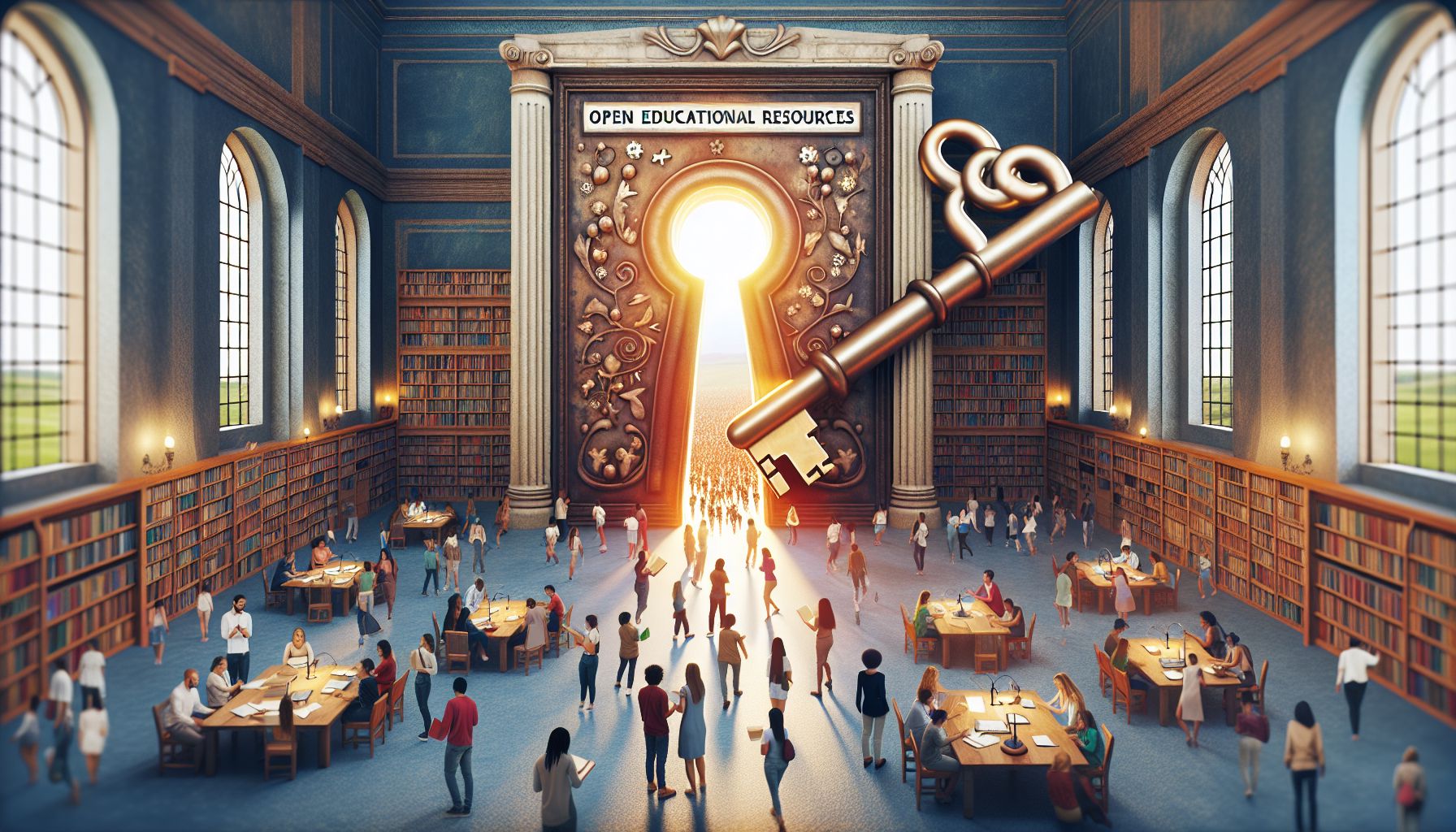
As university students, navigating through the maze of textbooks, online subscriptions, and study materials can be an expensive and overwhelming task. However, there is a valuable resource available to you that can alleviate some of these burdens – open educational resources (OER). These resources are freely accessible academic materials that can serve as cost-effective and convenient learning tools for students.
What are Open Educational Resources?
Open educational resources encompass a wide range of digital resources such as e-books, articles, videos, and courses that are available for free public use. These materials are typically created under an open license that allows for the reuse, modification, and distribution of the content by users.
Benefits of Using OER
One of the primary advantages of utilizing open educational resources is the cost-effectiveness. Instead of purchasing expensive textbooks or subscriptions, university students can access high-quality academic materials for free. This can significantly reduce the financial burden on students, especially those already facing high tuition fees and living expenses.
Additionally, open educational resources promote accessibility and inclusivity in education. These resources can be accessed from anywhere with an internet connection, allowing students to learn at their own pace and on their preferred devices. Moreover, the open nature of OER encourages collaboration and sharing among students and educators, fostering a sense of community and knowledge exchange.
Top Open Educational Resources for University Students
-
OpenStax: Offers free peer-reviewed textbooks on various subjects, including biology, economics, and psychology. These textbooks are written by experts in the field and can be downloaded in PDF format.
-
Khan Academy: Provides a wide range of video tutorials and practice exercises for subjects such as mathematics, science, and humanities. The platform is user-friendly and allows students to track their progress as they learn.
-
MIT OpenCourseWare: Grants access to course materials from the Massachusetts Institute of Technology, ranging from lecture notes to assignments and exams. Students can explore a vast array of academic disciplines and expand their knowledge beyond their own university’s curriculum.
-
Coursera: Offers online courses from leading universities and institutions worldwide, covering topics from computer science to foreign languages. While some courses may have a fee for a verified certificate, the majority of the content is accessible for free.
-
Project Gutenberg: Features a vast collection of e-books, including classic literature and historical texts that are in the public domain. Students can easily download these materials onto their devices for reading and reference.
How to Effectively Utilize OER
To make the most out of open educational resources, university students should approach their use strategically. Start by identifying which resources align with your academic goals and supplement your coursework effectively. Create a schedule or study plan that incorporates OER materials into your learning routine, ensuring that you engage with the content regularly.
Moreover, do not hesitate to reach out to your professors or university librarians for recommendations on OER that are relevant to your studies. They may point you towards specific resources that can enhance your understanding of course materials and provide additional support for your academic pursuits.
In Conclusion
Open educational resources present a valuable opportunity for university students to access cost-effective and high-quality academic materials. By leveraging OER, students can enhance their learning experience, collaborate with peers, and expand their knowledge beyond the confines of traditional textbooks. Embrace the power of open educational resources and unlock a world of learning possibilities at your fingertips.