
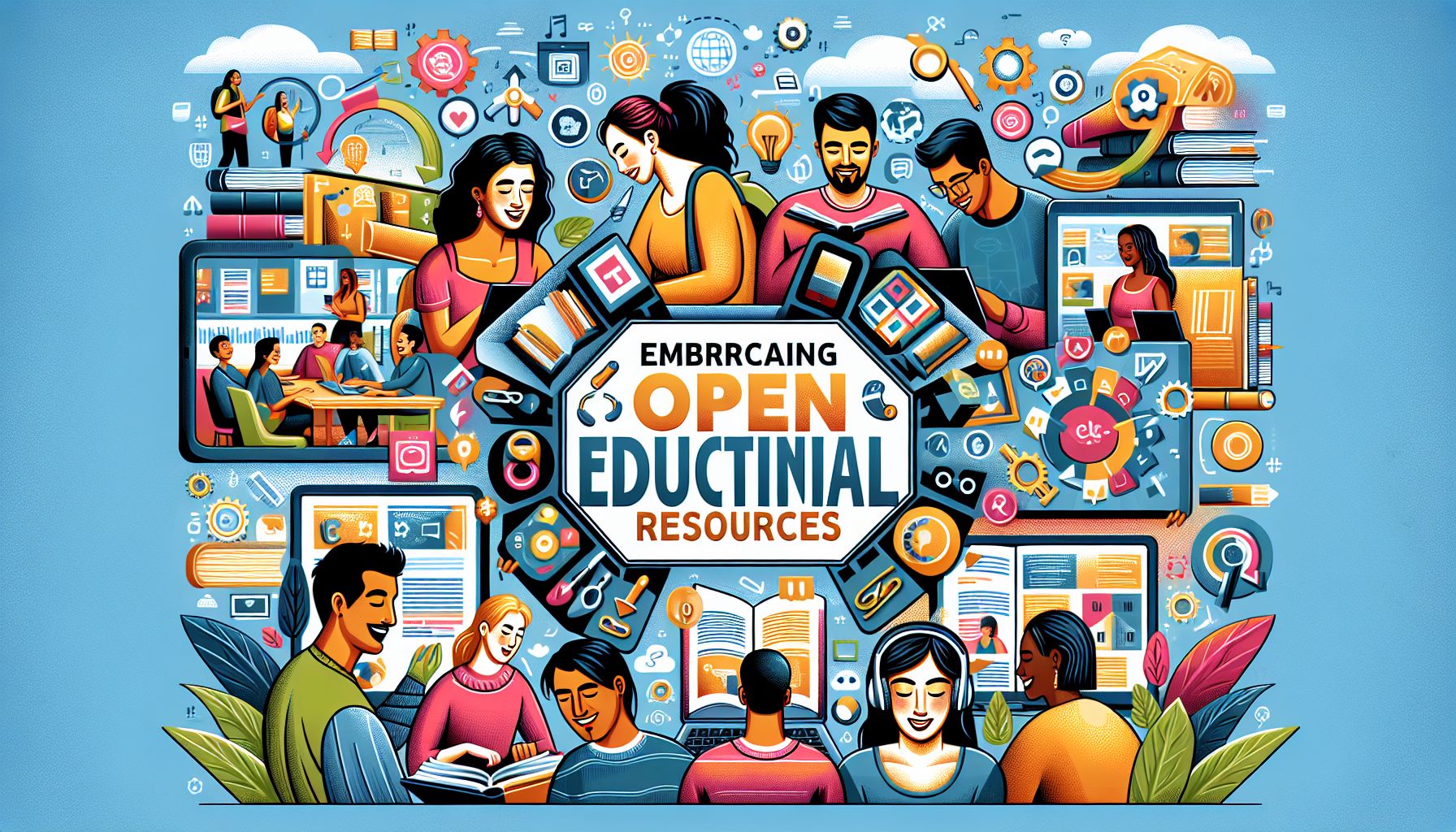
As university students, the quest for educational resources can often be a daunting task. From expensive textbooks to costly subscriptions, the burden of academic expenses can weigh heavily on our pockets. However, there is a growing movement towards utilizing Open Educational Resources (OER) that can provide high-quality academic materials at no cost to students. In this post, we will explore the benefits of OER and highlight some valuable resources that can aid in your academic journey.
What are Open Educational Resources?
Open Educational Resources are freely accessible, openly licensed educational materials that can be used for teaching, learning, research, and other purposes. These resources can range from textbooks, lecture notes, videos, simulations, and even entire courses. The beauty of OER lies in their accessibility and affordability, making them an excellent alternative to traditional academic resources.
For university students, OER can be a game-changer in terms of saving money on expensive textbooks and other materials. By leveraging OER, students can access high-quality content at no cost, allowing them to focus on their studies without the financial burden.
Valuable OER for University Students
-
MIT OpenCourseWare – MIT offers a vast collection of course materials from its undergraduate and graduate-level courses. From lecture notes to assignments, students can access a wealth of academic resources across various disciplines.
-
OpenStax – This nonprofit organization provides free, peer-reviewed, openly licensed textbooks for various subjects, ranging from biology to sociology. These textbooks are not only cost-effective but also high in quality, ensuring that students have access to accurate and up-to-date information.
-
Khan Academy – Known for its extensive library of educational videos, Khan Academy covers a wide range of topics, making it a valuable resource for university students seeking supplemental learning materials. Whether you need help with calculus or want to review basic grammar rules, Khan Academy has you covered.
-
Coursera – While Coursera offers paid courses, it also provides access to a selection of free courses from universities and institutions around the world. These courses cover diverse subjects and can supplement your university education with additional learning opportunities.
-
MERLOT – The MERLOT repository contains an extensive collection of OER, including textbooks, simulations, and multimedia resources. With a user-friendly search function, students can easily find materials relevant to their studies.
How to Leverage OER Effectively
To make the most of Open Educational Resources, it’s essential to approach them strategically. Here are some tips for university students looking to utilize OER effectively:
-
Plan Ahead: Incorporate OER into your academic planning to ensure you have access to the resources you need when you need them. Look for relevant materials early on to supplement your learning.
-
Collaborate with Peers: Share OER resources with your fellow students to create a collaborative learning environment. By pooling your resources, you can access a wider range of materials and benefit from different perspectives.
-
Provide Feedback: OER rely on user feedback to improve their quality and relevance. If you come across a particularly valuable resource, consider leaving feedback or suggestions for how it could be enhanced.
-
Stay Updated: OER are constantly evolving, with new resources being added regularly. Stay informed about the latest updates and additions to ensure you have access to the most up-to-date materials.
In Conclusion
Open Educational Resources offer a wealth of opportunities for university students seeking cost-effective and accessible learning tools. By exploring the various OER available, students can supplement their studies with high-quality academic resources without breaking the bank. Embrace the power of OER and revolutionize your learning experience today.