
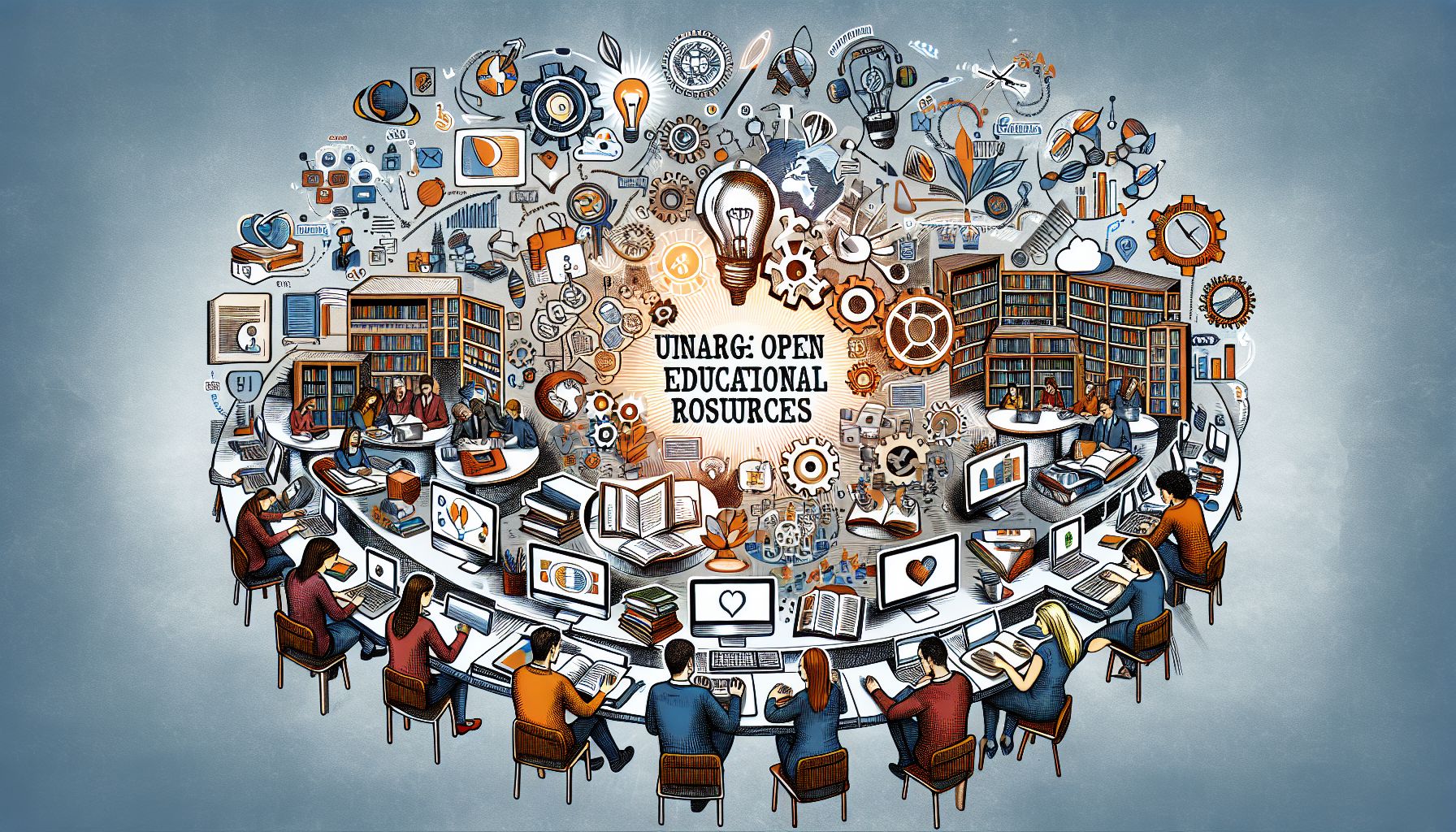
Welcome, university students! As you navigate your academic journey filled with lectures, assignments, and exams, it’s essential to have access to high-quality resources that enhance your learning experience. The cost of textbooks and digital materials can quickly add up, putting a strain on your budget. However, there is a solution that provides cost-effective and accessible learning tools: open educational resources (OER).
Open educational resources are academic resources and digital materials that are freely available for students, educators, and self-learners to use, adapt, and share. These resources encompass a wide range of materials, including textbooks, lecture notes, videos, simulations, and interactive tools. By utilizing OER, university students can access valuable academic resources without the financial burden typically associated with traditional educational materials.
One of the primary advantages of open educational resources is their cost-effectiveness. Traditional textbooks and digital materials can be prohibitively expensive, making it challenging for students to afford all the required resources for their courses. OER, on the other hand, are freely accessible, allowing students to save money while still having access to high-quality learning materials. This cost-effective nature of OER makes them an attractive option for university students looking to make the most of their educational experience without breaking the bank.
In addition to being cost-effective, open educational resources are also incredibly accessible. With OER, students can access a wealth of academic resources from anywhere with an internet connection. This accessibility is particularly beneficial for university students who may be balancing multiple courses, extracurricular activities, part-time jobs, or other commitments. By having access to OER, students can engage with course materials on their own time and at their own pace, enhancing their learning experience and academic success.
There are numerous OER platforms and repositories where university students can find valuable academic resources tailored to their specific courses and disciplines. Websites like OER Commons, MERLOT, and OpenStax offer a wide range of textbooks, lesson plans, and multimedia resources that cover a variety of subjects. Many universities and educational institutions also have their own OER initiatives, providing students with access to curated materials that align with their curriculum and learning objectives.
When utilizing open educational resources, university students should take advantage of the flexibility and adaptability these resources offer. OER materials can be customized and modified to suit individual learning preferences and styles. Students can annotate digital textbooks, create their study guides, and collaborate with peers to enhance their understanding of course content. By actively engaging with OER, students can personalize their learning experience and maximize their academic potential.
In conclusion, open educational resources are valuable academic resources and digital materials that cater to the needs of university students seeking cost-effective and accessible learning tools. By leveraging OER platforms and repositories, students can access high-quality resources that enhance their learning experience without the financial burden of traditional educational materials. The flexibility and adaptability of OER allow students to personalize their learning experience, collaborate with peers, and succeed academically. As you embark on your educational journey, remember to explore the wealth of open educational resources available to you—it’s a decision that can make a significant impact on your academic success.
So, university students, what are you waiting for? Dive into the world of open educational resources and unlock a treasure trove of valuable learning materials to support your academic endeavors. Happy exploring!