
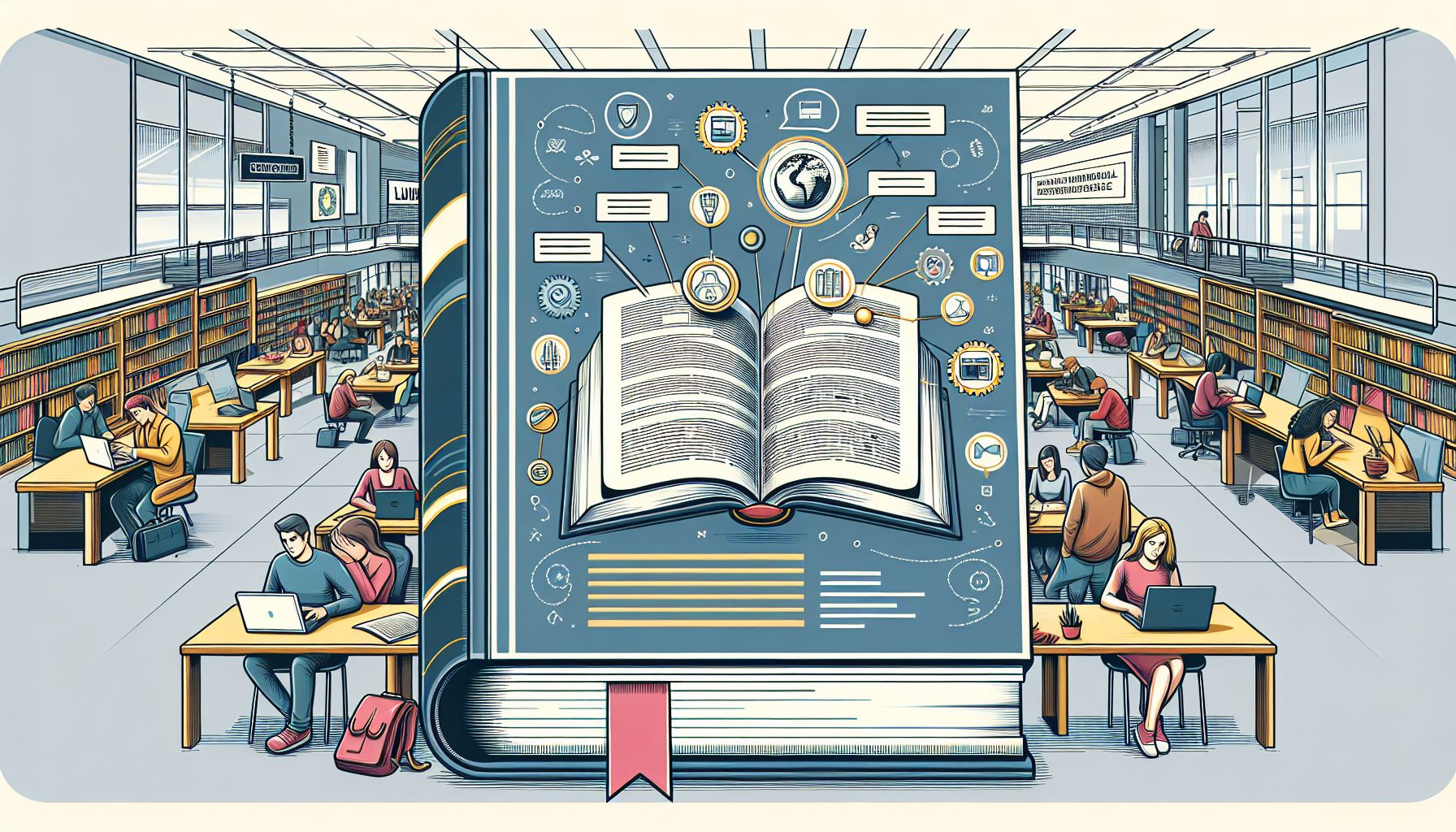
As a university student, finding high-quality academic resources and learning materials can often be a challenge. Not only do you need to locate relevant information, but also consider the cost associated with purchasing textbooks and other required materials. Thankfully, there’s a solution that can address these concerns – open educational resources (OER). In this blog post, we will explore the world of OER and how it can benefit university students by providing cost-effective and accessible learning tools.
What are Open Educational Resources?
Open educational resources (OER) are freely-available teaching and learning materials that are openly licensed, allowing anyone to access, use, and modify them. These resources encompass a wide variety of digital materials including textbooks, lecture notes, videos, quizzes, and more. They are created and shared by educators and institutions around the world with the aim of improving and democratizing education.
Cost-Effective Learning Tools
One of the major advantages of OER for university students is the financial relief it offers. Traditional textbooks can be exceedingly expensive, and the cost accumulates quickly. However, with OER, students can access digital textbooks and other materials for free or at significantly reduced prices.
Not only can OER save students money, but it also allows them to allocate their resources in other areas such as supplementary materials, practical experiences, or investing in their future career. By using open educational resources, students no longer need to worry about the financial burden of purchasing expensive textbooks every semester.
Accessible Learning for All
In addition to being cost-effective, OER promotes accessibility in education. Many students, especially those from economically disadvantaged backgrounds, struggle to afford all the necessary materials for their courses. By utilizing open educational resources, universities can level the playing field and ensure that all students have access to the same high-quality learning materials, regardless of their financial circumstances.
Furthermore, OER can benefit students with disabilities or learning difficulties. These resources can be easily adapted and customized to meet the specific needs of students, providing a more inclusive learning environment. By removing barriers to education, OER helps create equal opportunities for academic success.
High-Quality Educational Materials
Contrary to the misconception that free resources compromise quality, OER can provide university students with exceptional learning materials. As OER gain popularity, more educators and institutions are developing and sharing their resources openly. With contributions from experts in various fields, OER materials often rival or exceed traditional textbooks in terms of quality and accuracy.
Moreover, due to their open licensing, OER can be continuously updated and improved upon. This dynamic nature ensures that students have access to the most up-to-date information and research developments. Therefore, university students using OER can benefit from cutting-edge knowledge, enhancing their learning experience.
A Catalyst for Collaboration and Innovation
Open educational resources also foster collaboration and innovation among educators and students. Through OER platforms and repositories, educators can share their resources and collaborate with peers from around the world. This collaboration encourages the exchange of ideas, teaching methods, and best practices, ultimately enriching the learning experience for students.
Moreover, students can actively engage in the OER community by providing feedback, suggesting improvements, or even creating and sharing their own resources. This active participation empowers students and promotes a culture of knowledge sharing and continuous improvement.
Embracing Open Educational Resources
As a university student, you can begin exploring the world of open educational resources to enhance your learning experience. Start by checking if your university has an OER initiative or repository. Many institutions have recognized the value of OER and encourage its use among students and educators.
Additionally, there are numerous external OER platforms available where you can find resources tailored to your specific courses and subjects. These platforms often provide search functions, ratings, and reviews to help you identify the most relevant and highest-quality resources.
Remember to always evaluate and critically analyze the resources you find to ensure they align with your course requirements and academic standards. While OER provides a wealth of materials, it’s important to exercise discernment in selecting the most reliable and credible resources.
Conclusion
Open educational resources have transformed the way university students access and engage with learning materials. By providing cost-effective and accessible tools, OER promotes equal opportunities and inclusivity in education. Furthermore, OER materials often rival traditional textbooks in terms of quality, ensuring students have access to cutting-edge knowledge. Moreover, OER fosters collaboration and innovation among educators and students, creating a vibrant learning community. So, why not embrace the world of open educational resources and enhance your university experience?