
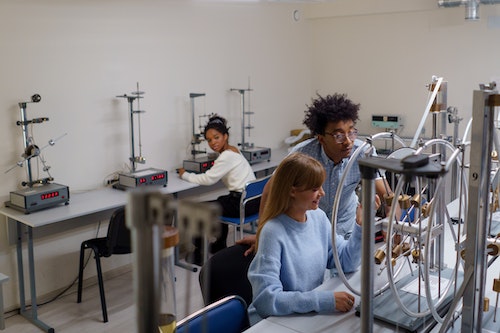
In today’s digital age, where information is readily available at our fingertips, it’s no surprise that the way we learn and acquire knowledge has also evolved. University students, in particular, are constantly on the lookout for cost-effective and accessible learning tools to complement their courses. This is where Open Educational Resources (OER) come into play. Delving into the world of OER can provide students with a plethora of valuable academic resources and digital materials that can enhance their learning experience.
What are Open Educational Resources?
Open Educational Resources, commonly known as OER, are freely accessible educational materials that anyone can use, modify, and distribute to support teaching, learning, and research. These resources can include textbooks, lecture slides, videos, interactive simulations, quizzes, and much more. OER are licensed under an open license, which allows users to make full use of the materials without any copyright restrictions. This means that students can access and download these materials free of cost, saving them from the burden of purchasing expensive textbooks or other learning resources.
The Benefits for University Students
Cost-effectiveness
One of the primary advantages of OER for university students is the cost-effectiveness they offer. We all know how expensive textbooks can be, often costing hundreds of dollars each semester. By utilizing OER, students can access high-quality educational materials without breaking the bank. The financial relief provided by OER is invaluable, allowing students to allocate their funds elsewhere, such as investing in additional academic resources or even extracurricular activities.
Accessible Learning Tools
Accessibility is another key benefit of OER for university students. In today’s globalized world, students come from diverse backgrounds and face varying circumstances. Not every student has equal access to traditional learning resources or a physical library. OER bridges this gap by providing students with free and easily accessible learning tools. Whether you’re studying at home or on the go, all you need is an internet connection to access a wide range of educational resources tailored to your needs.
Customizable and Interactive Learning
OER also offers a level of customization and interactivity that traditional textbooks cannot match. With OER, students can modify and adapt the learning materials to fit their specific learning style and needs. Professors can also personalize the resources to align with their teaching methods. Additionally, many OER platforms incorporate interactive elements, such as quizzes, simulations, and multimedia content, fostering an engaging learning experience. This interactivity enhances knowledge retention and keeps students actively involved in their studies.
Community-driven Collaboration
OER introduces students to a global community of learners and educators who collaborate in creating, reviewing, and enhancing the resources. Rather than relying solely on a single textbook or set of materials, OER presents a wealth of knowledge from various perspectives and expertise. Students can also contribute their insights and ideas to improve the resources for future learners. This sense of community fosters collaboration, knowledge sharing, and creates a dynamic learning environment.
Finding Open Educational Resources
Now that you understand the benefits of OER, the next step is to find these valuable resources tailored to university students. Here are some platforms and repositories to explore:
- Open Educational Resource Commons (OER Commons): This platform offers a vast collection of openly licensed resources across various subjects. You can search for resources specific to your university courses or explore new topics of interest.
- MERLOT: A curated collection of free and open online teaching, learning, and faculty development services, MERLOT provides a comprehensive database of resources spanning multiple disciplines and educational levels.
- MIT OpenCourseWare: The Massachusetts Institute of Technology (MIT) offers a wide range of course materials, including lecture notes, assignments, and exams, across numerous subjects. These resources are freely accessible to anyone interested in expanding their knowledge.
- OpenStax: OpenStax provides free and peer-reviewed textbooks for various college-level subjects. Their textbooks are easily customizable and available in multiple formats to cater to different learning preferences.
Take some time to explore these platforms. You’ll be amazed at the wealth of resources available to you at no cost.
Embracing Open Educational Resources for a Brighter Future
The adoption of Open Educational Resources by university students brings numerous benefits, both in terms of affordability and accessibility. Not only do OER provide an economical alternative to traditional textbooks, but they also empower students with customizable and interactive learning tools. By embracing OER, students can actively contribute to knowledge sharing and join a global community of learners.
So, the next time you find yourself in need of academic resources, consider exploring the vast world of Open Educational Resources. Unlock the potential of these valuable materials to enhance your learning journey and empower yourself with affordable and accessible educational tools.