
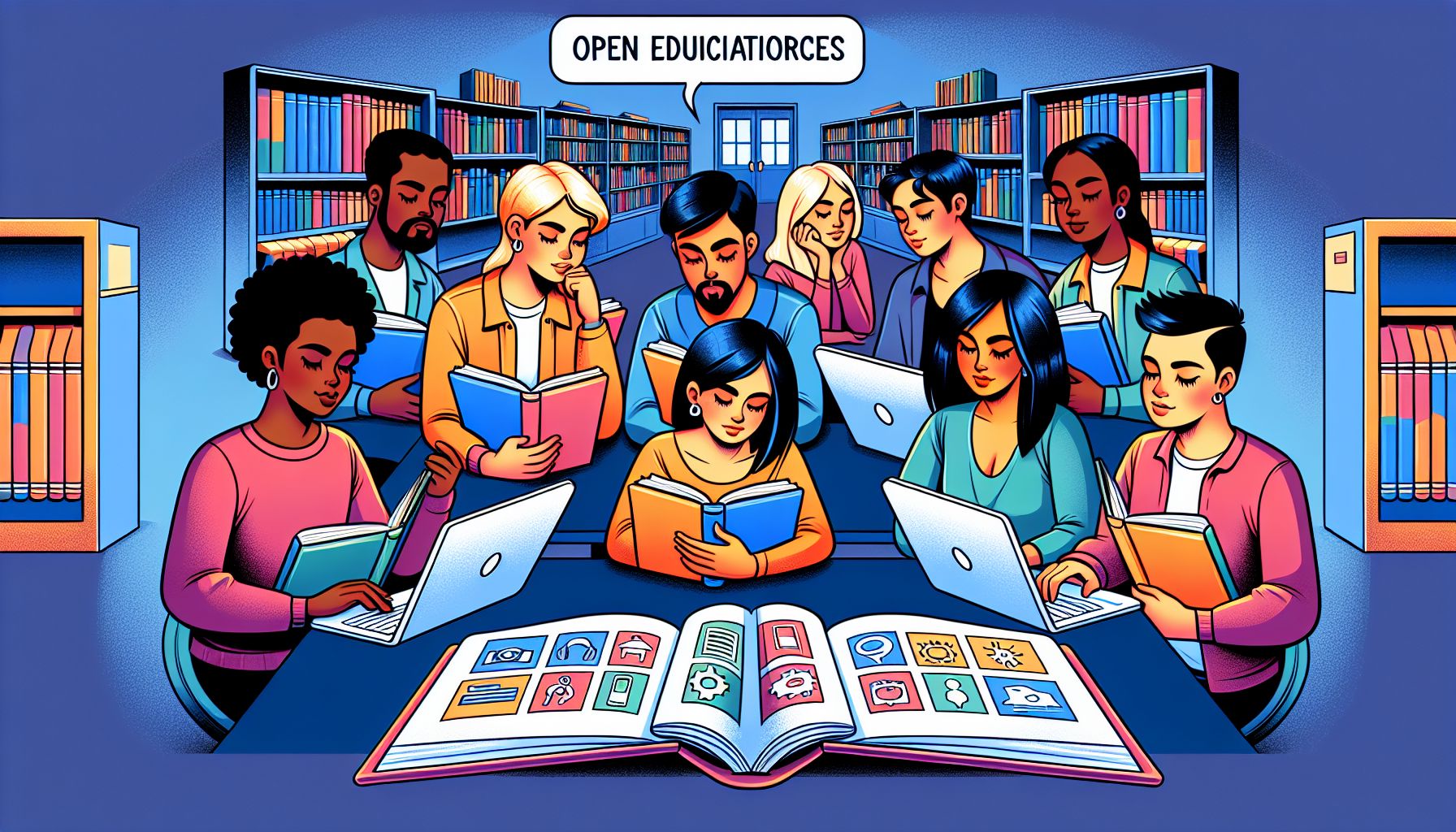
As university students, we are constantly seeking ways to enhance our learning experience without breaking the bank. Luckily, there is a treasure trove of resources available to us known as open educational resources (OER). These resources provide us with cost-effective and accessible learning tools, making them invaluable assets during our academic journey.
What are Open Educational Resources?
Open educational resources are freely available online materials that can be used for teaching, learning, and research. These resources can range from textbooks and articles to videos and simulations, covering a wide array of subjects and disciplines. The best part about OER is that they are typically released under an open license, allowing users to freely access, adapt, and share the material.
Benefits of Utilizing Open Educational Resources
Cost-Effective Learning Tools
One of the most significant advantages of OER for university students is the cost-effective nature of these resources. Instead of spending hundreds of dollars on textbooks each semester, students can access open textbooks and other materials for free. This not only alleviates financial burden but also ensures that all students have equal access to quality educational resources.
Accessible Anytime, Anywhere
Another benefit of OER is their accessibility. Since these resources are available online, students can access them anytime and anywhere with an internet connection. Whether you are studying in the library, at home, or on the go, OER allows you to continue learning without limitations.
Diverse and Up-to-Date Content
OER provides students with a wide range of content from various sources and perspectives. This diversity can enrich your learning experience by exposing you to alternative viewpoints and approaches. Additionally, OER materials are often updated regularly, ensuring that you have access to the latest information and research in your field of study.
Encourages Collaboration and Creativity
By utilizing OER, university students have the opportunity to collaborate with peers and educators to create and share new educational resources. This collaborative approach fosters creativity and innovation, allowing students to actively engage in the learning process and contribute to the academic community.
Where to Find Open Educational Resources
There are numerous platforms and repositories that curate and host open educational resources for university students. Some popular OER platforms include:
- OpenStax: A nonprofit organization that offers free, peer-reviewed textbooks for various subjects.
- MERLOT: An online database of curated OER materials across disciplines.
- OER Commons: A digital library of OER resources for educators and students.
- Khan Academy: A platform offering free educational videos and exercises on a wide range of topics.
Additionally, many universities and colleges have their own repositories of OER materials that can be accessed by students and faculty members. Make sure to explore these resources to find materials that align with your academic needs and interests.
Conclusion
Open educational resources offer a wealth of benefits for university students, including cost-effectiveness, accessibility, diverse content, and opportunities for collaboration. By incorporating OER into your learning toolkit, you can enhance your academic experience and expand your knowledge in a variety of subjects. Take advantage of these valuable resources to support your education and empower yourself as a lifelong learner.