
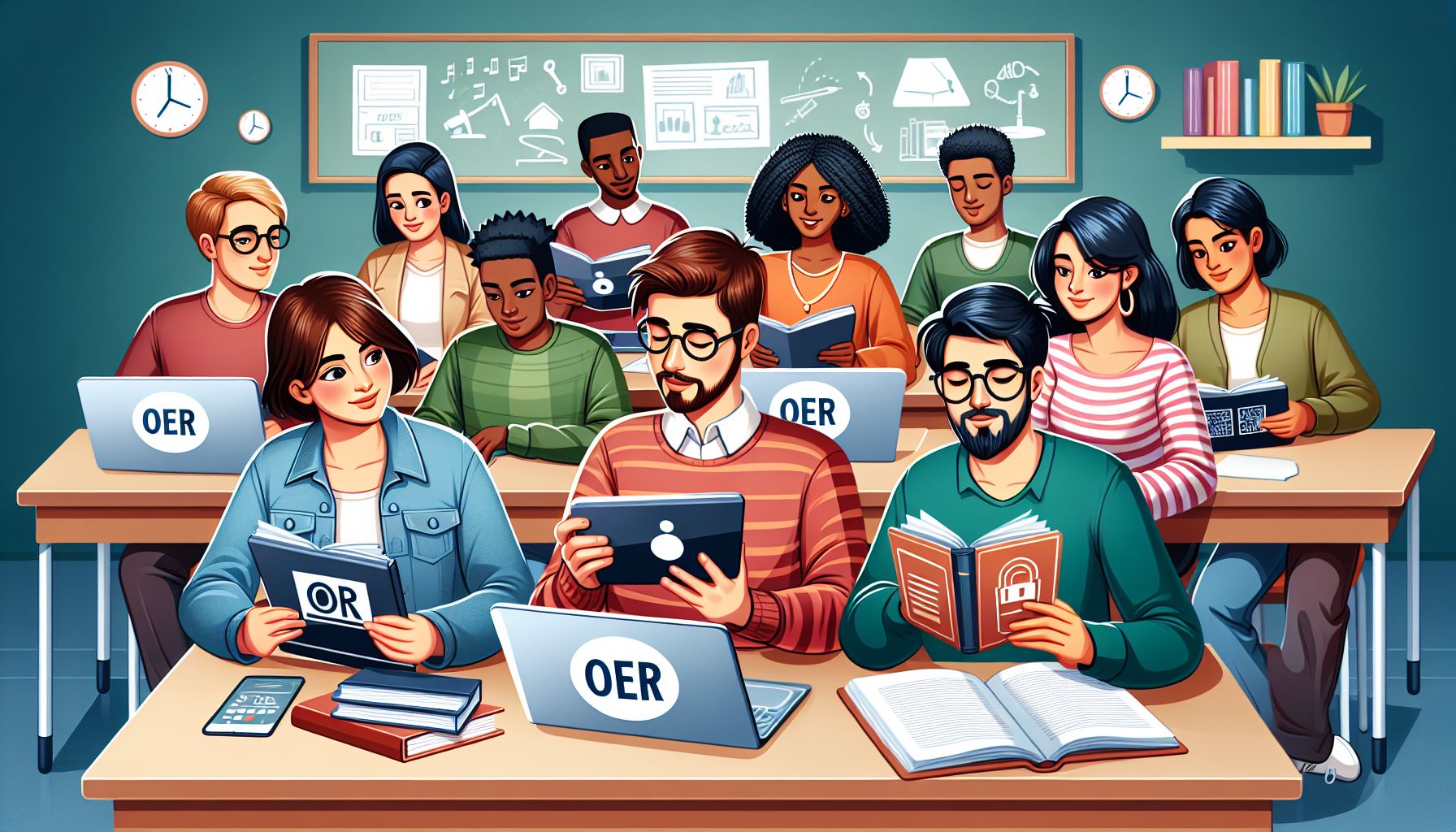
As university students, we all understand the struggle of trying to keep up with expensive textbooks and academic materials. With the rising costs of education, it can be challenging to afford all the necessary resources for our studies. However, there is a solution to this problem that is gaining popularity among students – Open Educational Resources (OER).
OER are freely accessible, openly licensed educational materials that can be used for teaching, learning, research, and other purposes. These resources can include textbooks, videos, lectures, exams, and more, all available online for students to access at no cost. The beauty of OER is that they not only save students money but also provide them with a wide range of academic materials to enhance their learning experience.
One of the main advantages of OER for university students is the cost-effectiveness. Instead of spending hundreds of dollars on textbooks each semester, students can now access high-quality educational materials for free. This not only eases the financial burden on students but also promotes equity in education by ensuring that all students have access to the same resources regardless of their financial situation.
Moreover, OER provide students with a wealth of digital materials that can supplement their learning in various ways. These resources can include interactive simulations, virtual labs, multimedia presentations, and more, offering students a more engaging and immersive learning experience. By utilizing OER, students can explore concepts in different formats, gain a deeper understanding of their subjects, and enhance their critical thinking skills.
Another benefit of OER for university students is the accessibility they offer. Since these resources are available online, students can access them anytime and anywhere, as long as they have an internet connection. This flexibility allows students to study at their own pace, review materials as needed, and access resources on multiple devices, making learning more convenient and adaptable to their individual learning styles.
Furthermore, OER promote collaboration and knowledge sharing among students, as they can easily share resources with their peers, work on projects together, and engage in discussions about the materials they are using. This collaborative aspect of OER not only enhances the learning experience but also fosters a sense of community among students, encouraging them to support each other in their academic pursuits.
In conclusion, open educational resources have become valuable assets for university students looking for cost-effective and accessible learning tools. By utilizing OER, students can save money on expensive textbooks, access a wide range of digital materials to enhance their learning, and benefit from the flexibility and collaboration that these resources offer. As the demand for affordable and high-quality education continues to grow, OER are proving to be a sustainable solution that empowers students to succeed in their academic endeavors. So why not take advantage of these resources and take your learning to the next level?